
Intermittent Fasting: What It Is, Benefits and Schedules
However, the diet can produce side effects including “keto” breath and constipation. Eating a balanced, reduced-calorie diet during your eating window is the best way to promote weight loss while intermittently fasting. Carbs are the body’s primary energy source, so a balanced diet includes carbohydrates. When comparing “intermittent fasting vs low carb,” remember that both have unique benefits. Intermittent fasting helps with weight loss through caloric restriction, while low carb diets promote fat burning and stabilize blood sugar.
By reducing processed foods and sugars, you may experience improvements in gut health. Many people find they no longer suffer from digestive issues like bloating, constipation, or diarrhea. The Atkins diet paired with Intermittent Fasting creates a compatible and effective weight loss strategy. Atkins is a popular low glycemic index approach that significantly limits daily carbohydrate intake, causing the body to metabolize stored fat for energy. Distribute your carbohydrate intake evenly across your eating window. This allows keep stable blood sugar levels and provides sustained energy.
Day 2
The Low-Carb, High-Fat (LCHF) diet is a popular approach that focuses on reducing carbohydrate intake while increasing the consumption of fats. Research indicates this variation can improve heart health markers and support weight loss while maintaining a low-carb eating pattern24. Research shows that the ketogenic diet is effective for weight loss, improving insulin sensitivity, and enhancing brain function through increased ketone production19,20. Research supports its effectiveness in promoting metabolic health by enhancing fat oxidation and reducing insulin resistance4,5.
Intermittent Fasting and a Low Carb Diet Combo May Help Manage Insulin Resistance and Diabetes
- Intermittent fasting is described as an eating pattern wherein you schedule your meals.
- On fasting days, this approach usually includes a 200-calorie meal and a 300-calorie meal.
- Reducing daily calorie intake is the most important factor for weight loss.
- If you suspect or think you may have a medical emergency, call your doctor.
- This 24-hour method involves fasting completely for a full 24 hours.
- Still, you may also experience fatigue, brain fog, or “keto flu” initially.
To maintain a true fast, you must read the nutritional panel with absolute vigilance and reject any product containing these hidden metabolic disruptors. Ketosis and diabetes-related ketoacidosis (DKA) are two very different things. During ketosis, you have ketones in your blood but not enough to turn your blood acidic.
Insulin: The Hormone That Stores Nutrients
This approach helps combine the potential benefits of both IF and low-carb diets. Here’s what you need to know about low-carb intermittent fasting, its potential benefits, drawbacks, and practical tips for success. The other limitation of both intermittent fasting and continuous carb restriction is that weight loss is a likely outcome. Hence these approaches are not universally beneficial for those who need to improve their health without losing weight or those looking to maintain their weight.
Lifestyle and Behavioral Factors
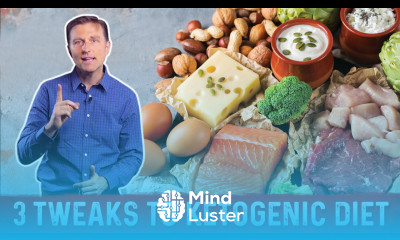
Fat should comprise 70 to 80 percent of your total calories on a ketogenic diet, which translates to roughly 120 to 165 grams per day for someone eating 2,000 calories. The exact amount depends on your energy needs, activity level, and weight loss goals. Prioritize fat from whole food sources like fatty fish, avocados, nuts, and olive oil rather than relying heavily on added fats like butter or MCT oil. Salmon, mackerel, sardines, and anchovies provide omega-3 fatty acids (EPA and DHA) that support mitochondrial function and reduce inflammation. A 4-ounce serving of salmon delivers roughly 13 grams of fat, 23 grams of protein, and zero carbohydrates.
How to Get Started with Low Carb Diet + Intermittent Fasting
A low-carb meal might start with a base of greens, topped with grilled bacon, and a poached egg for protein, and finished with a generous serving of sliced avocado and seeds dressed with olive oil. The inclusion of avocado introduces healthy fats that are not only low-calorie but also promote satiety. Successful integration of intermittent fasting with a low-carb diet hinges on meal quality and timing. This section provides a structured approach to crafting meals that are nutritionally rich and in best fasting app harmony with fasting schedules.
Listen to your body
Your kidneys shift into a state of “natriuresis,” meaning they continuously filter sodium out of the blood and dump it into the bladder. As you lose this sodium, your blood volume drops, leading directly to the severe fatigue and dizziness commonly experienced by new low-carb dieters. Because low-carbohydrate diets naturally force your kidneys to aggressively flush sodium and water from your system, you cannot rely on plain water alone to stay hydrated. You may be able to get into ketosis faster with intermittent fasting.
I developed a whole new way of eating, and I learned how to reset my metabolism and change the way my body burns fuel. Within 6 months, I lost 40 pounds and completely transformed my body….and my life. In fact, this can be a really easy way to control yourself from indulging in late-night snacks that might make you overeat carbs.
Exploring Low-Carb Diets
This usually happens because your body adapts to changes in diet and metabolism. Don’t ignore signs of extreme hunger or fatigue; modifying your approach is okay. Focus on whole, unprocessed carbohydrates such as fruits, vegetables, whole grains, and legumes. However, since low-carb nutrition predominates during training, the body is trained to burn stored body fat more efficiently.
Homemade low-carb coleslaw costs approximately $0.75–$1.20 per serving, depending on ingredient quality. Using organic cabbage and premium mayo raises the cost slightly but improves nutritional value. In contrast, store-bought “healthy” versions can cost $2.50–$4.00 per container (often 1–2 servings), with inferior ingredients. Instead of constant substitutes, focus on straightforward meals built around protein and vegetables.
They’ll help you lose weight, improve your health, and manage your appetite. Following a low-carb diet and intermittent fasting may also trigger overeating during eating periods. This can happen if you feel excessively hungry after a fast or if you restrict certain foods too much and end up overeating them during your eating window (4).
Step 6: Plan Your Meals
Small, dense LDL particles are more atherogenic than large, buoyant ones, and a high fat low carb diet often shifts the distribution toward larger particles. Your gut bacteria influence how you extract energy from food and produce metabolites that affect appetite and inflammation. A high-fat diet shifts the microbiome composition, often reducing the abundance of fiber-fermenting bacteria while increasing those that metabolize bile acids. Testing your gut microbiome can reveal how your bacterial community adapts to dietary fat. Macadamia nuts, pecans, walnuts, and Brazil nuts offer concentrated fat with relatively low net carbs. Macadamias are particularly keto-friendly, with 21 grams of fat and only 2 grams of net carbs per ounce.
Foods You Can’t Eat on Keto (and What to Choose Instead)
Find out what works for you with this 60-sec quiz approved by our experts and get your personal revolutionary fasting assistant. Use batch cooking to save time and ensure you have compliant meal ideas ready. One of the few possibilities is the so-called Bulletproof Coffee, which enjoys worldwide popularity due to its energy boost from 100% fat. Eating 100% pure fat, which hardly stimulates insulin, is challenging. Developed in the 1960s, the Atkins diet is the classic low-carbohydrate diet.



دیدگاهتان را بنویسید
برای نوشتن دیدگاه باید وارد بشوید.