
Exploring the psychology behind casino games What drives players to roll the dice
The Thrill of Uncertainty
The allure of casino games is deeply rooted in the human fascination with unpredictability. Players are often drawn to the thrill derived from the uncertainty surrounding the outcome of each game. This excitement activates the brain’s reward system, releasing dopamine, which creates a sensation of pleasure and reinforces the desire to play again. The unpredictable nature of games like roulette or blackjack not only provides entertainment but also taps into the innate human tendency to seek out risk and challenge. Many enthusiasts seek out the best casinos in canada to further enhance their experience.

Furthermore, this thrill can often lead to a phenomenon known as “gambling addiction,” where the excitement of hitting a jackpot overshadows the potential for loss. Players might find themselves rolling the dice not just for the potential winnings, but for the rush that accompanies each game. This complex psychological interplay of risk and reward fuels a cycle of engagement that keeps players returning to the table.
The Social Aspect of Gambling
Casino environments transform gambling into a social activity, enhancing its appeal. Players often enjoy the camaraderie and interaction with others, whether they are sharing a table at a game or cheering on a fellow gambler’s success. The social aspect can diminish feelings of loneliness and enhance the overall enjoyment of the game. Social connections formed in casinos create an atmosphere of shared experiences, which can amplify the fun and excitement of gambling.
Moreover, the competitive nature of casino games fosters a sense of community among players. They celebrate victories together and console each other in losses, creating bonds that are often strengthened through these shared experiences. This social component is a major psychological driver, as players feel part of something larger than themselves when they engage in gambling activities.
The Role of Cognitive Biases
Cognitive biases play a significant role in how players perceive their chances of winning in casino games. One common bias is the “gambler’s fallacy,” which leads individuals to believe that past outcomes can influence future results. For example, a player might think that if a roulette wheel hasn’t landed on red for several spins, it’s more likely to land on red in the next spin. This flawed reasoning can encourage players to make irrational betting decisions, often leading them to wager more money than they initially planned.
Additionally, the concept of “near misses” can be psychologically compelling. When players come close to winning—like hitting two out of three matching symbols—they often feel motivated to keep playing, believing a win is imminent. This illusion of control over random events further entices individuals to roll the dice, even when the odds are stacked against them.
The Influence of Marketing and Environment
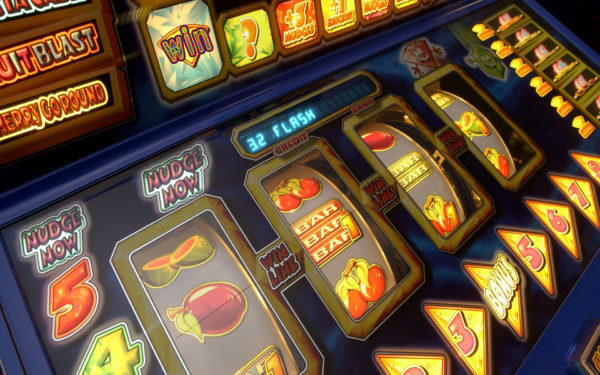
The design of casinos and the marketing strategies employed by gambling establishments significantly contribute to players’ experiences. Bright lights, vibrant colors, and enticing sounds create a stimulating environment that encourages players to spend more time gaming. The layout of casinos, with games placed in close proximity to one another, fosters an immersive atmosphere that can make it difficult for players to leave.
Additionally, promotional offers such as free spins, bonuses, and loyalty programs are strategically used to lure players into participating. These incentives serve to heighten the thrill of gambling and can skew players’ perceptions of their chances of winning—encouraging them to take risks they might not otherwise consider. Thus, the combination of environmental factors and marketing strategies plays a crucial role in driving gambling behavior.
Enhancing Your Online Experience with Us
At our platform, we prioritize your gaming experience while maintaining strict privacy standards. We utilize cookies to facilitate seamless navigation and provide personalized content that enhances your interaction with our site. By accepting cookies, you allow us to tailor your browsing experience, making it more enjoyable and relevant to your preferences.
Moreover, our commitment to understanding player psychology allows us to create a more engaging environment. We continuously analyze user behavior to improve our services and offer insights into the dynamics of online gambling. Join us as we explore the fascinating world of casino games and what drives players to engage in this thrilling activity.